


Contact Lens Solutions for Ocular Surface Disease Patients
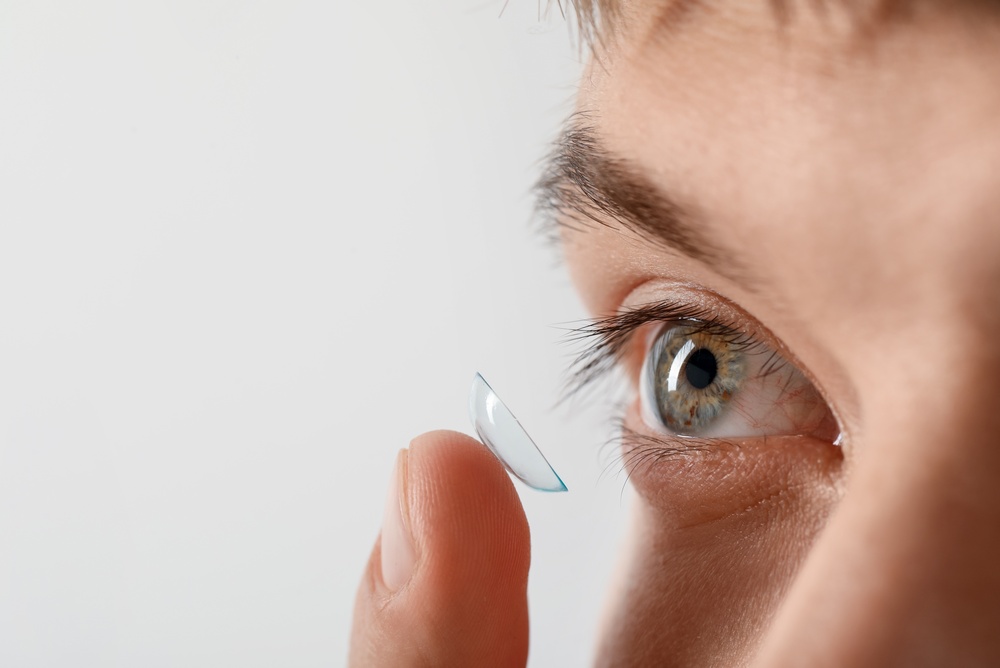
Ocular surface disease can make everyday vision feel uncomfortable, unpredictable, and frustrating. Dryness, irritation, burning, redness, fluctuating vision, and contact lens intolerance can all make it harder to get through the day comfortably. For many patients, standard soft contact lenses may not provide enough stability or moisture. That is where specialty contact lens solutions, including scleral lenses, can make a meaningful difference.
What Is Ocular Surface Disease?
Ocular surface disease refers to conditions that affect the front surface of the eye, including the tear film, cornea, and surrounding tissues. Dry eye disease, meibomian gland dysfunction, corneal irregularities, inflammation, and certain autoimmune-related eye conditions can all impact the ocular surface.
When the tear film is unstable or the cornea is irritated, vision may blur on and off throughout the day. Some patients also notice that their eyes feel worse in dry environments, while using screens, or while wearing traditional contact lenses.
Why Regular Contacts May Not Work Well
Traditional soft contact lenses sit directly on the eye. For patients with ocular surface disease, that can sometimes make dryness or irritation worse. The lens may not stay hydrated, vision may fluctuate, and comfort may decrease after only a few hours of wear.
Patients with more advanced dryness, corneal sensitivity, or irregular corneas may need a more customized option. A contact lens exam allows Dr. Rojas to evaluate the shape of the eye, tear film quality, corneal health, and visual needs before recommending the right lens design.
How Scleral Lenses Can Help
Scleral lenses are larger specialty contact lenses that vault over the cornea and rest on the white part of the eye. This design creates a fluid-filled space between the lens and the cornea, which can help protect the ocular surface and keep the eye more comfortable throughout the day.
Scleral lenses may be helpful for patients who experience:
• Moderate to severe dry eye symptoms
• Contact lens discomfort or intolerance
• Corneal irregularities or scarring
• Keratoconus or post-surgical corneal changes
• Fluctuating or unstable vision
• Ocular surface irritation from certain medical conditions
Because scleral lenses are custom fit, they can often provide clearer, more stable vision while reducing friction on the sensitive surface of the eye.
A Personalized Approach to Contact Lens Care
Not every patient with ocular surface disease needs the same solution. Some may benefit from dry eye treatment before being fit with contacts, while others may do well with scleral lenses or another specialty lens option. The goal is to improve both comfort and vision, not simply place a lens on the eye.
At Innovista Eye, contact lens care is tailored to each patient’s eye health, lifestyle, and visual demands. A detailed evaluation helps determine whether scleral lenses or another contact lens solution may be the right fit.
When to Schedule an Evaluation
If your contact lenses feel uncomfortable, your vision changes throughout the day, or dry eye symptoms keep returning, it may be time to explore more advanced options. Ocular surface disease can affect comfort, clarity, and long-term eye health, so a personalized contact lens evaluation can help identify the best next step.
Schedule a contact lens exam with Innovista Eye to learn how specialty contact lens options may help improve comfort and vision for ocular surface disease. Contact our office in Boerne, Texas, by calling (210) 526-2020 to book an appointment today.

All Eye
Care Services

Keep
In Touch
MAP
Powered by: 