


How Regular Diabetic Eye Exams Help Preserve Vision Long-Term
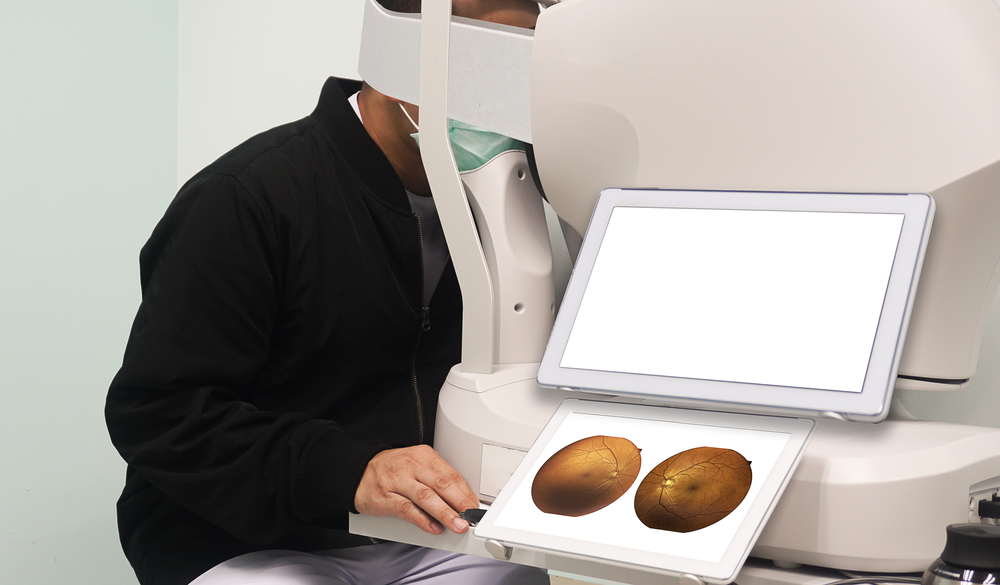
Living with diabetes means paying close attention to your overall health - including your vision. Diabetes can quietly affect the eyes long before noticeable symptoms appear, which is why regular diabetic eye exams play a critical role in protecting long-term eyesight. At Innovista Eye, diabetic eye exams are an essential part of proactive, preventive eye care for patients with diabetes.
What Is a Diabetic Eye Exam?
A diabetic eye exam is a comprehensive eye evaluation designed specifically to detect early signs of diabetes-related eye disease. Unlike a routine vision exam that focuses mainly on glasses or contact lens prescriptions, a diabetic eye exam closely examines the health of the retina, blood vessels, optic nerve, and other internal eye structures.
These exams typically include:
• A detailed review of your medical and diabetes history
• Dilated retinal examination to view the back of the eye
• Advanced imaging to detect subtle changes in retinal blood vessels
• Eye pressure testing and optic nerve evaluation
Because many diabetic eye conditions develop without pain or early visual changes, these tests are essential for catching problems before they threaten vision.
Diabetic Retinopathy
Diabetic retinopathy is the most common diabetes-related eye disease. It occurs when high blood sugar damages the small blood vessels in the retina, causing them to leak or swell. In advanced stages, abnormal new blood vessels may form, increasing the risk of severe vision loss or blindness.
Diabetic Macular Edema
This condition develops when fluid builds up in the macula - the part of the retina responsible for sharp, central vision. Diabetic macular edema can significantly affect reading, driving, and detailed tasks.
Glaucoma and Cataracts
People with diabetes are at a higher risk of developing glaucoma, a disease that damages the optic nerve. Glaucoma often progresses without symptoms until vision loss has already occurred.
Diabetes can cause cataracts to develop earlier and progress more quickly. Cataracts cloud the eye’s natural lens, leading to blurry or dim vision.
How Regular Exams Protect Vision Over Time
Consistent diabetic eye exams allow eye doctors to monitor changes year over year and intervene early when needed. Early detection often means simpler, more effective treatment options and a better chance of preserving vision.
Regular exams help by:
• Identifying problems before vision is affected
• Monitoring disease progression over time
• Reducing the risk of permanent vision loss through early treatment
Even if your vision seems stable, skipping exams can allow silent damage to progress unnoticed.
How Often Should You Have a Diabetic Eye Exam?
Most patients with diabetes should have a comprehensive diabetic eye exam at least once a year. However, if diabetic eye disease is already present or progressing, more frequent visits may be recommended. Your eye doctor can personalize an exam schedule based on your eye health and diabetes management.
Stay Ahead of Diabetic Eye Disease with Innovista Eye
Diabetes can have a lasting impact on your vision, but regular diabetic eye exams are one of the most powerful tools for protecting your eyesight long-term. By detecting changes early and managing diabetic-related eye conditions proactively, you can significantly reduce the risk of vision loss and maintain clearer, healthier vision for years to come.
If you have diabetes, don’t wait for symptoms to appear. Schedule a diabetic eye exam at Innovista Eye and take an important step toward protecting your eye health for the future. Visit our office in Boerne, Texas, or call (210) 526-2020 to book an appointment today.

All Eye
Care Services

Keep
In Touch
MAP
Powered by: 