


How Seasonal Changes Can Impact Dry Eye Symptoms
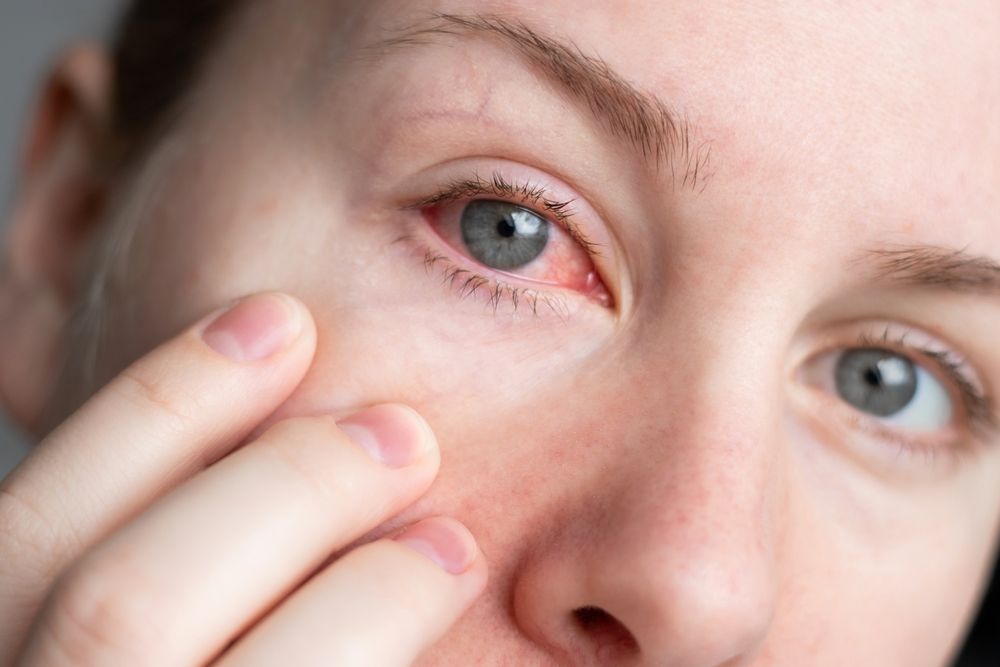
Dry eye symptoms don’t always stay the same year-round. Seasonal changes in weather and environment can directly impact tear quality and eye moisture, leading to increased irritation at certain times of the year. Understanding these seasonal triggers is an important step toward managing dry eye more effectively.
Why Seasons Affect Dry Eye
Healthy eyes rely on a stable tear film to stay lubricated and protected. Seasonal shifts can disrupt this balance by increasing tear evaporation, triggering inflammation, or reducing tear production altogether. For people who already experience dry eye, these environmental changes can make symptoms more noticeable.
Winter: Cold Air and Indoor Heating
Winter is one of the most challenging seasons for dry eye sufferers. Cold outdoor air holds less moisture, and indoor heating systems further dry out the environment. As a result, tears evaporate more quickly, leaving eyes feeling dry, scratchy, or irritated.
Common winter triggers include:
- Heated indoor air with low humidity
- Cold winds outdoors
- Increased screen time while spending more time indoors
Spring: Allergies and Inflammation
Spring brings blooming flowers and seasonal allergies. Pollen and other allergens can cause inflammation on the surface of the eye, worsening dry eye symptoms. Many people experience burning, redness, and excessive tearing, which may seem counterintuitive but often signals poor tear quality.
Allergy eye drops may help with itching, but some can actually worsen dryness if not used properly. Managing both allergies and dry eye together is key during this season.
Summer: Heat, Sun, and Air Conditioning
High temperatures and sun exposure can speed up tear evaporation, while air conditioning creates dry indoor environments similar to winter heating. Outdoor activities, swimming, and increased exposure to wind can also contribute to eye dryness.
During summer months, people often notice:
- Increased dryness after spending time outdoors
- Irritation from sun and wind exposure
- Worsening symptoms in air-conditioned spaces
Fall: Cooler Air and Environmental Irritants
As temperatures begin to drop, humidity levels often decrease as well. Fall can also bring smoke from wildfires or increased air pollution in some areas, both of which can irritate the eyes and destabilize the tear film. Seasonal transitions like fall are a common time for dry eye symptoms to flare, especially if preventive care hasn’t been adjusted.
When to See Your Eye Doctor
Occasional dryness may improve with lifestyle changes or over-the-counter eye drops, but persistent or worsening symptoms should not be ignored. If dry eye symptoms continue despite seasonal adjustments, it may be time to see your eye doctor.
You should schedule an eye exam if you experience:
- Ongoing dryness, burning, or irritation
- Redness or a gritty sensation that doesn’t improve
- Fluctuating or blurry vision related to eye discomfort
- Increased sensitivity to light
Dr. Rojas can determine whether your symptoms are related to dry eye disease or another underlying condition and recommend personalized treatment options to provide lasting relief.
Get Relief From Dry Eye Symptoms
Seasonal changes can have a real impact on dry eye symptoms, from winter’s dry air to spring allergies and summer heat. Paying attention to how your eyes respond throughout the year and adjusting your care routine accordingly can help keep your eyes healthier and more comfortable in every season.
If dry, irritated eyes are interfering with your daily life, schedule a consultation with Innovista Eye to identify the cause of your symptoms and explore personalized dry eye treatment options. Visit our office in Boerne, Texas, or call (210) 526-2020 to book an appointment today.

All Eye
Care Services

Keep
In Touch
MAP
Powered by: 