


Macular Degeneration Warning Signs: What Changes in Central Vision Should You Watch For?
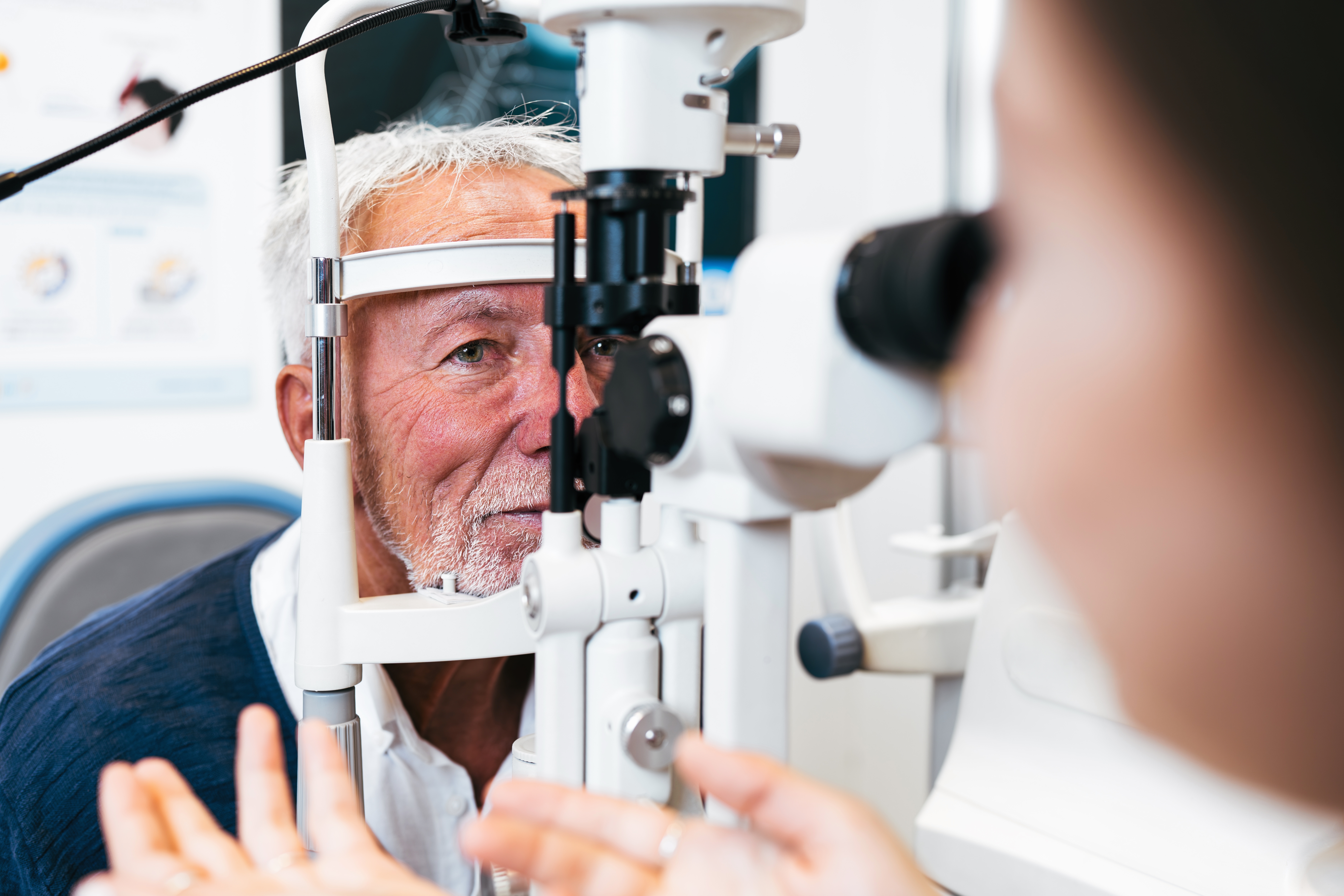
Macular degeneration can affect the central portion of your vision - the area you rely on for reading, recognizing faces, driving, and seeing fine details. Because age-related macular degeneration, or AMD, may progress gradually, early changes can be easy to overlook. At Innovista Eye, we encourage patients to pay attention to changes in their central vision and keep up with annual eye exams.
How Macular Degeneration Affects Central Vision
The macula is a small area in the center of the retina that provides sharp, detailed central vision. When macular degeneration affects this area, your peripheral vision may remain relatively normal while the center of what you see becomes blurry, distorted, or less detailed.
Early AMD does not always cause noticeable symptoms. As the condition progresses, however, patients may begin noticing changes during everyday activities such as reading, looking at faces, or viewing straight lines.
Warning Signs to Watch For
Changes associated with macular degeneration can vary from person to person. Symptoms that should prompt an eye examination include:
- Blurry or fuzzy vision in the center of your visual field
- Straight lines that begin to look bent, wavy, or distorted
- A dark, blurry, or empty spot near the center of your vision
- Difficulty recognizing faces or seeing fine details
- Needing brighter lighting for reading and other close-up tasks
A noticeable change in vision in one eye may sometimes be harder to detect because the other eye can compensate. Checking each eye separately from time to time can make new differences easier to recognize.
Why Wavy or Distorted Lines Matter
One of the more important changes to watch for is distortion. Door frames, window blinds, printed lines, or other normally straight objects may suddenly appear curved or wavy.
New distortion in central vision should not be ignored. If straight lines suddenly look wavy or you notice a new dark or missing area, contact an eye doctor right away for urgent assessment. Some retinal conditions can progress quickly, so do not wait for a routine annual appointment.
Who Is at Greater Risk for AMD?
Age is one of the strongest risk factors for macular degeneration, particularly after age 50. Family history, smoking, cardiovascular health, and other factors may also influence a person's risk.
Even when your vision seems clear, routine comprehensive eye exams allow us to examine the retina for changes that may not yet be affecting your everyday vision. Depending on your eye health and risk factors, we may recommend additional retinal evaluation or closer monitoring.
Retinal Imaging Can Help Us Monitor Changes
Modern eye care technology allows us to examine the retina in greater detail. At Innovista Eye, optical coherence tomography, or OCT, can provide detailed cross-sectional images of retinal structures and assist with detecting and monitoring conditions such as macular degeneration. These images give us valuable information beyond what you may notice through symptoms alone. When changes are identified, we can discuss the appropriate next steps and determine how closely your eye health should be monitored.
For new wavy lines, a new central dark spot, or sudden unexplained vision changes, contact an eye doctor right away. If your changes are gradual or you would like a routine retinal health evaluation, contact Innovista Eye in Boerne, TX, at (210) 526-2020 to arrange an eye exam.

All Eye
Care Services

Keep
In Touch
MAP
Powered by: 