


Blog list
Innovista Eye Blog
Learn more about optometrist care in our blog!
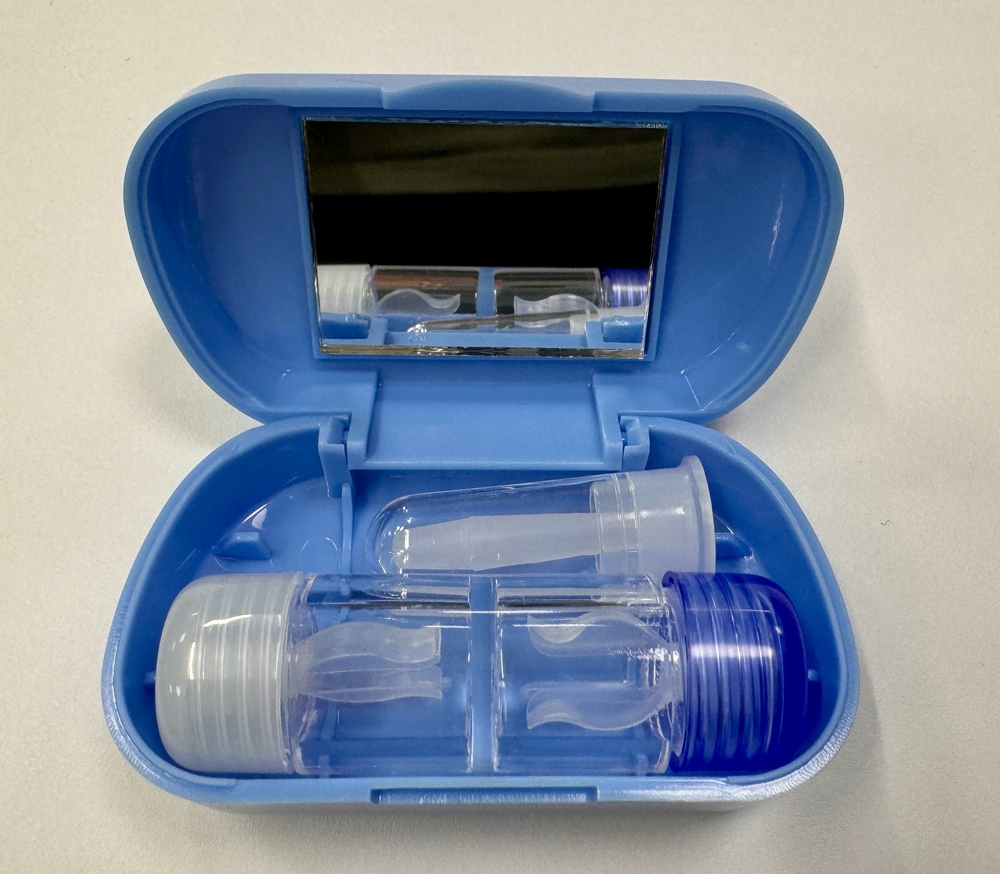
Summer heat, air conditioning, wind, and outdoor allergens can leave your eyes feeling dry and irritated. For contact lens wearers in Kendall County, these conditions may make standard contacts increasingly uncomfortable. When dryness begins interfering with clear vision or daily activities, scleral lenses may provide a more comfortable solution.

Dry, burning, watery, or irritated eyes can make everyday tasks uncomfortable, especially when over-the-counter drops only provide temporary relief. For many dry eye patients, the issue is not just a lack of tears. It may involve poor tear quality, inflammation, blocked oil glands, or eyelid concerns that need a more targeted approach. At Innovista Eye, dry eye treatment starts with understanding the root cause of your symptoms so care can be customized to your eyes.

When a child struggles with reading, attention, handwriting, or schoolwork, vision may not be the first thing parents think about. Many children can see clearly on a basic eye chart but still have trouble with how their eyes work together, focus, or track across a page. These are known as functional vision problems, and they can affect learning, comfort, and confidence in school.
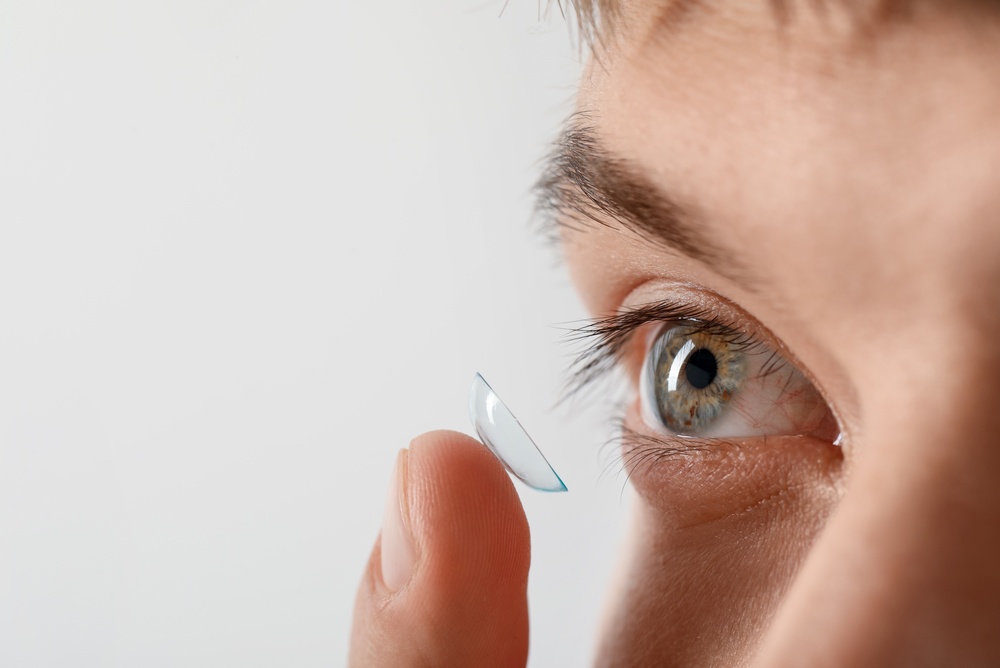
Ocular surface disease can make everyday vision feel uncomfortable, unpredictable, and frustrating. Dryness, irritation, burning, redness, fluctuating vision, and contact lens intolerance can all make it harder to get through the day comfortably. For many patients, standard soft contact lenses may not provide enough stability or moisture. That is where specialty contact lens solutions, including scleral lenses, can make a meaningful difference.

Ortho-K lenses can be a great option for patients who want clear daytime vision without relying on glasses or daytime contacts. At Innovista Eye, we offer Ortho-K as a non-surgical, fully reversible treatment that gently reshapes the eye overnight so you can see clearly during the day.
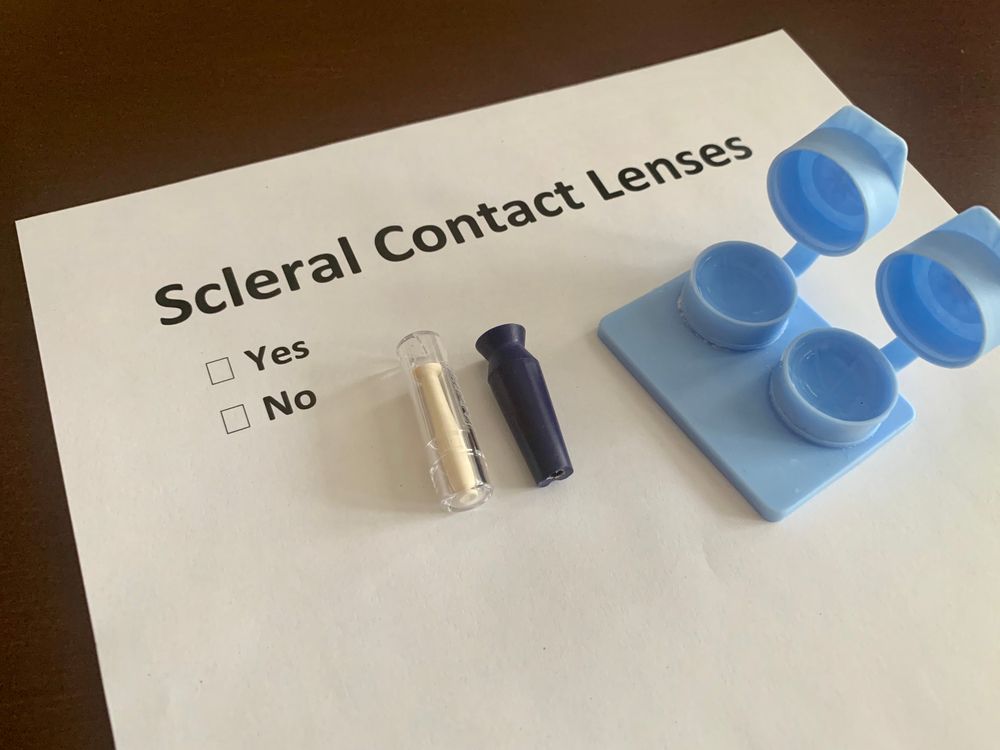
Scleral lenses are a specialty type of contact lens designed to rest on the white part of the eye rather than directly on the cornea. Because they vault over the corneal surface, they create a smooth optical surface and hold a layer of fluid between the lens and the eye.
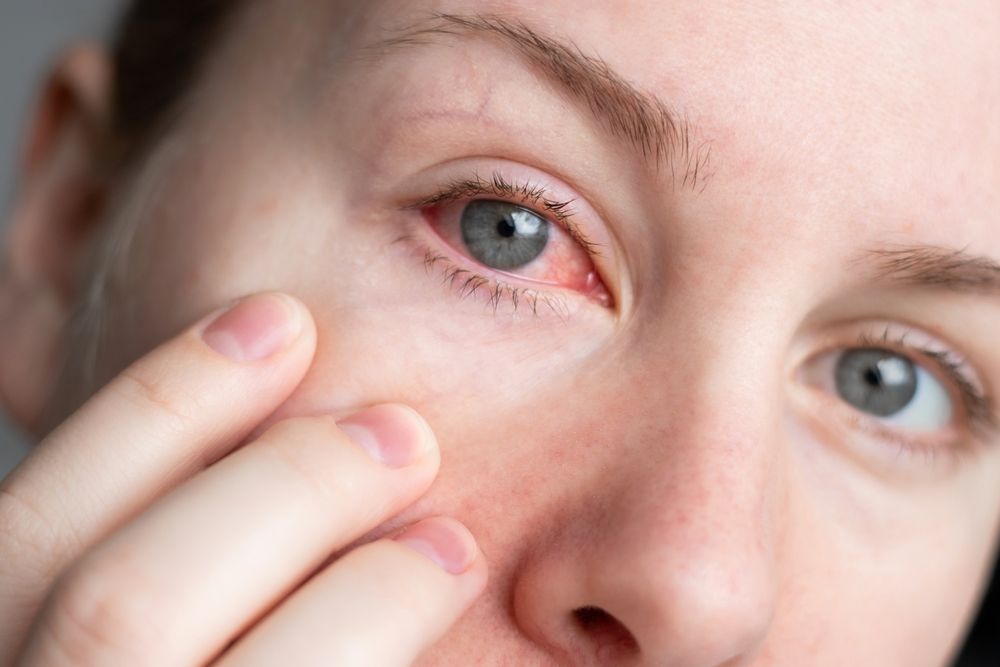
Dry eye symptoms don’t always stay the same year-round. Seasonal changes in weather and environment can directly impact tear quality and eye moisture, leading to increased irritation at certain times of the year.

Not all eyes are the same, and not all vision problems can be corrected with standard glasses or soft contact lenses. Specialty contact lenses are advanced, custom-designed lenses created to manage complex visual conditions and irregular corneas. For many patients, they provide improved clarity, comfort, and visual stability when conventional lenses fall short.
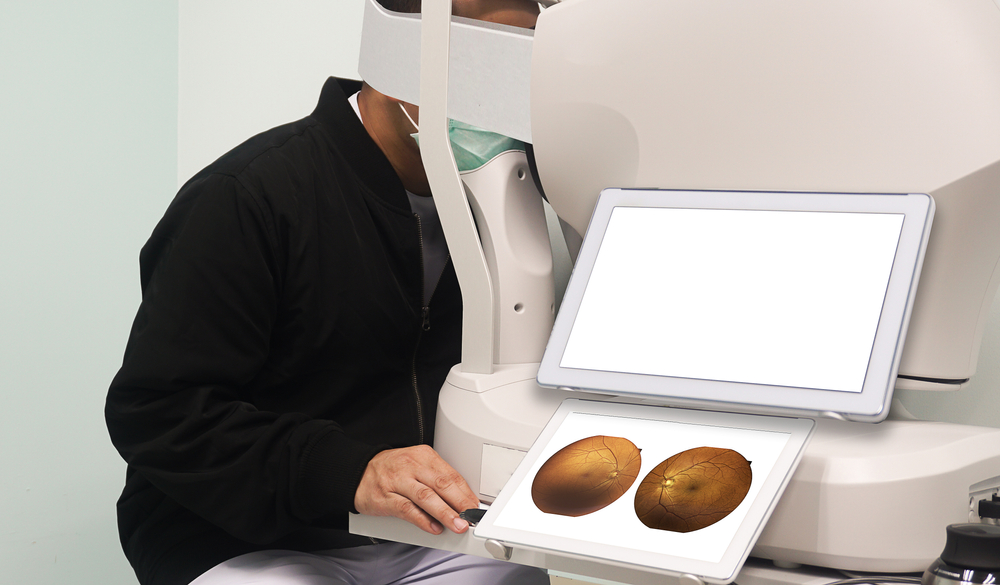
Living with diabetes means paying close attention to your overall health - including your vision. Diabetes can quietly affect the eyes long before noticeable symptoms appear, which is why regular diabetic eye exams play a critical role in protecting long-term eyesight. At Innovista Eye, diabetic eye exams are an essential part of proactive, preventive eye care for patients with diabetes.

In today’s digital world, most people spend hours every day staring at screens. While technology has made life more convenient, it has also introduced new vision challenges. One of the most common is Computer Vision Syndrome (CVS), also known as digital eye strain. Understanding this condition and recognizing who’s most at risk can help you take steps to protect your eyesight and comfort.

All Eye
Care Services

Keep
In Touch
MAP
Powered by: 